How Temples Can Digitize Seva, Darshan Pass & Prasad Counters Without Losing Tradition
The sight of long, chaotic queues outside a temple is often seen as a sign of popularity, but for the devotee, it is a barrier to a peaceful spiritual experience. Managing the delicate balance between open access for all and the operational constraints of crowd control is the single biggest challenge for temple administrators today. This guide explores how to implement a unified digital system for Seva booking, Darshan passes, and Prasad distribution that respects tradition while embracing efficiency.
Key Takeaways
- Uncontrolled queues damage devotee experience and temple reputation.
- Digital pass systems (QR codes) reduce waiting times by 60% and eliminate VIP pass fraud.
- Online booking opens sevas to global devotees, significantly increasing temple revenue.
- Real-time analytics help trustees deploy staff efficiently during peak festivals.
The Chaos of "First Come, First Served"
Most temples still rely on a physical counter system: devotees stand in one line to buy a ticket, another line to collect prasad, and a third line to enter the sanctum. This fragmented approach fails during peak seasons like Navratri or Kartik.
Common operational failures include:
- Unpredictable Crowds: Without a slot booking system, 10,000 people might show up at 9 AM, overwhelming security and causing stampede risks.
- Seva Scheduling Conflicts: Two families might be promised the same "First Slot" for an Abhishekam because the booking was taken in two different handwritten registers.
- No Devotee Data: Once the devotee leaves the counter, the temple has no way to contact them again, missing opportunities for future engagement or donations.
- Shashwat Seva Oversights: Endowment sevas (performed annually) are often missed because the clerk forgot to check the diary for that specific date.
The Model: A Seamless "Phygital" Devotee Journey
A "Model Temple" uses technology to make the logistics invisible, allowing the devotee to focus on the divine. In this model, the interaction starts long before the devotee arrives at the temple gates.
Key Components of a Modern Seva System:
- Panchang-Integrated Booking: The software understands Tithi, Nakshatra, and Varjyam. If a devotee wants to book a Ganapati Homa, the system only shows auspicious dates.
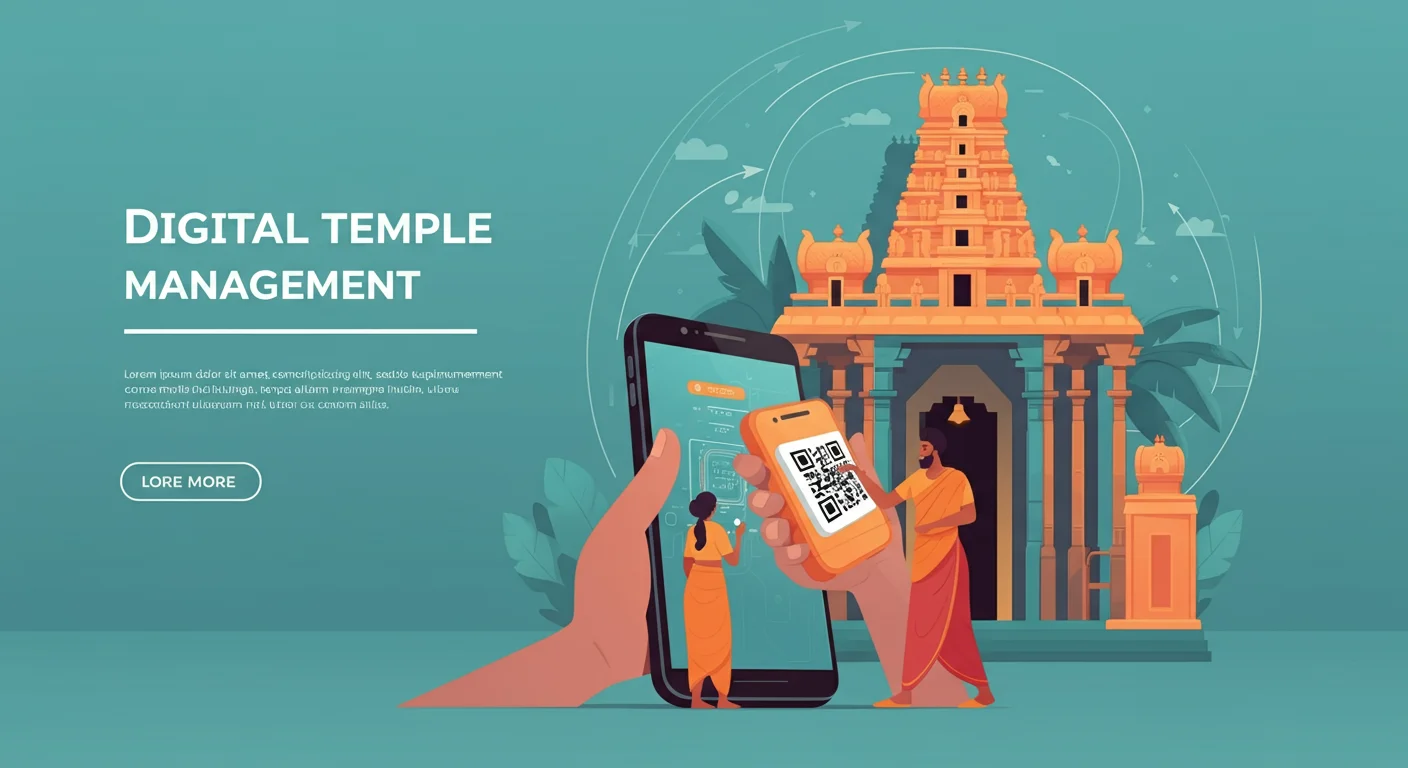
- QR Code Entry: Whether for a paid special darshan or a free general entry slot, every devotee receives a QR code. Scanners at the gate manage flow rates (e.g., "Allow 50 people every 10 minutes").
- Automated Priest Manifests: At 6 AM, the Head Priest receives a printed or digital list of all Sankalpas to be performed that day, grouped by Seva type.
- Hybrid Counters: Physical counters exist for walk-ins, but they use the same software as the website, ensuring a single real-time view of inventory and slot availability.
Step-by-Step: Launching Your Online Seva Portal
Moving your booking system online requires careful planning to ensure it aligns with your temple's Agama Shastras. Follow this roadmap:
- Digitize Your Seva Catalog: List every seva offered. Define the price, the maximum capacity per slot (e.g., "Only 5 couples for Satyanarayan Pooja"), and the duration.
- Map the Panchang Logic: Work with your Astrologer/Priest to define the rules. Which sevas are closed on Ekadashi? Which are special on Purnima? Configure these rules into the system.
- Setup Hardware at Gates: Install simple QR scanners or equip volunteers with a mobile app to scan tickets at entry points.
- Integrate Shashwat Seva Legacy Data: Type in your old endowment records. The system should start sending automated reminders for these immediately.
- Train the Priests: This is crucial. Priests must be comfortable receiving a digital or printed list instead of a handwritten note. Show them how it reduces errors in Gotra pronunciation.
- Soft Launch: Open online booking for just one popular Seva first. Monitor the flow and feedback before expanding to all sevas.
How 3ioSetu Transforms Seva Management
3ioSetu's Seva & Darshan Module is designed with the nuances of Indian temple traditions in mind. It's not just a ticketing tool; it's a ritual management system.
- Dynamic Pricing: Automatically adjust Darshan ticket prices for weekends vs. weekdays or special Utsav days to manage demand.
- WhatsApp Seva Updates: Send a video clip or photo of the Alankaram to the devotee immediately after their booked Seva is performed.
- Prasad Inventory Link: When a "Coconut Archana" is booked, the system automatically deducts one coconut and one flower basket from the inventory store.
- Volunteer App Integration: Volunteers can use their own phones to check-in devotees, meaning you don't need expensive turnstiles.
- Performance Analytics: Know exactly which Sevas are most popular and which time slots have the highest footfall to optimize staff shifts.
📋 Daily Operations Checklist
To ensure a smooth flow, your temple manager should verify these items daily:
- Slot Capacity: Are special darshan slots overbooked? Adjust capacity if VIP movement is expected.
- Priest Roster: Are enough priests assigned for the 10 AM Rudrabhishekam batch?
- Prasad Stock: Is there enough Ladoo stock at the counter for the estimated crowd?
- Network Check: Are the entry gate scanners syncing with the server?
- Sankalpa List: Has the daily list been printed/sent to the Garbhagriha?
- SMS Gateway: Are confirmation messages being delivered? (Check credit balance).
🏛️ Success Story: Anganewadi Jatra Digitization
During the massive Anganewadi Jatra, crowd control was a safety concern. 3ioSetu implemented a digital system where devotees could book specific time slots for Darshan.
The system helped distribute the crowd of lakhs over a wider time window, reducing peak-hour pressure by 40%. Devotees spent less time in lines and more time in the temple premises, leading to a significant increase in donation box collections and prasad sales.
Streamline your Devotee Flow today
Reduce queues and increase devotee satisfaction with our intelligent Seva & Darshan module.
Schedule a Demo
About the Author: 3ioSetu Research Team
Specialists in Temple Management, Trust Compliance (80G/10BD), and Digital Transformation. Empowering 500+ temples across India with simplified technology since 2018.